
Physical and mental health are topics that everyone is familiar with, but there are a lot of myths out there when it comes to oral care. These myths, misleading information about treatments and more can keep people from properly caring for their teeth and gums. To help cut through the confusion and discover some truths, we have put together a comprehensive guide to popular dental myths vs facts with expert insights and helpful advice from Dr. Ratul Puri.
Additionally, Dr. Ratul Puri's dental care advice, helpful advice for maintaining healthy teeth, and professional suggestions to keep your oral health in top shape will all be included in this article.
Why Myths About Dentistry Can Be Dangerous
Many dental myths may seem innocuous, but they can actually worsen oral health. Without accurate information, people may form bad habits or accept false information that causes gum disease, cavities, and even tooth loss.
According to Dr. Ratul Puri, it's critical to remain informed and comprehend the reality of dental care. By ensuring that decisions are grounded in science rather than conjecture, professional dental advice promotes long-term oral wellness.
Myth 1:The Harder the Brush, the Better: In actuality, brushing harder can damage gums and enamel as it does not better clean teeth.
There’s a common misconception that teeth will magically be cleaner the harder you scrub. But gentle brushing with proper technique and a soft-bristled brush is much more effective advice from Dr Ratul Puri dentist. Brushing too hard can also cause gum recession, tooth sensitivity and enamel wear.
Dental care tips from Dr. Ratul Puri:
Use Subtle Bristle Brush You will need a brush with bristles that are gentle.
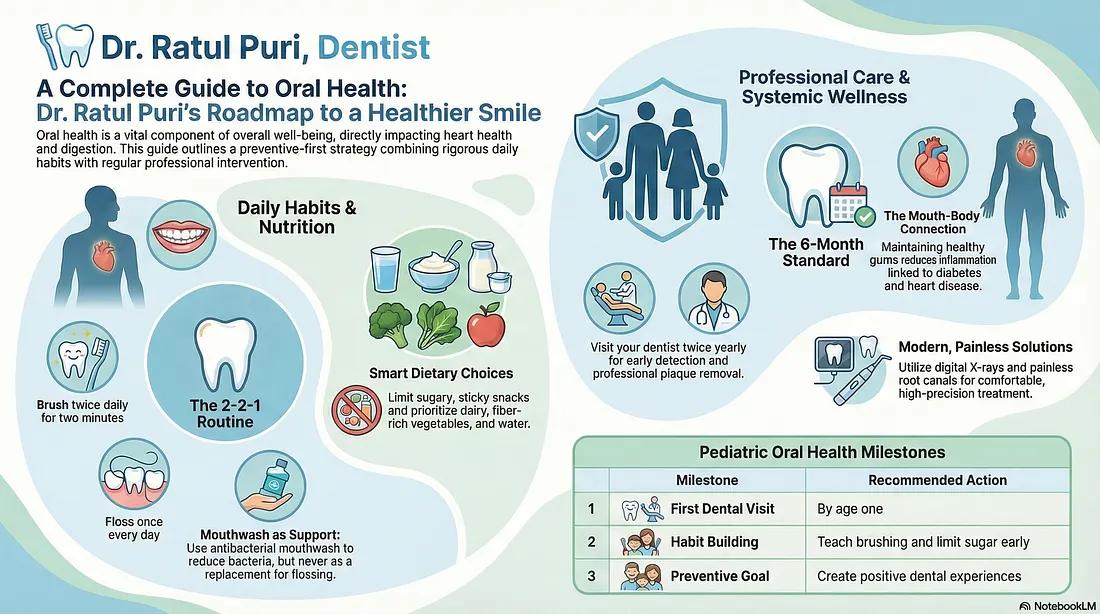
Brush at least twice a day for about 2 minutes each time.
Instead of scrubbing to and fro, make circular movements.
Myth 2: Flossing Isn’t That Important
Fact: Daily flossing is just as important as brushing your teeth. It helps remove plaque and food particles that a toothbrush can’t reach, especially between teeth and below the gumline.
Many people skip flossing, assuming brushing alone is enough. However, according to tips for healthy teeth by Dr. Ratul Puri, neglecting flossing can increase the risk of gum disease and cavities between teeth. Flossing once a day should be a key part of your oral care routine to keep gums healthy and prevent bad breath.
Myth 3: Will sugar-free snacks hurt your teeth?
Fact: Sugar-free does not mean cavity-free.
Even some sugar-free snacks may still have acids, or ingredients that erode enamel. Dr. Ratul Puri's dental tips remind us that moderation, in addition to proper oral hygiene, is key. Don't forget to rinse your mouth with water immediately after eating acidic or sticky foods, and stick to your brushing schedule.
Myth 4: Myth: Sugar is the only thing that can give you cavities.
Fact: Cavities result when bacteria in your mouth generates acids that dissolve enamel—this takes place not just from sugar but a variety of carbohydrates. Though sugar is a factor, bacteria consume starches and other carbs, and produce acids that harm teeth.
Tips by Dr. Ratul Puri — dentistDentist tips by Dr. Ratul Purisuggest that one must try to avoid processed carbohydrates, consume a lot of water and brush and floss regularly to avoid tooth decayIf you are a fan of Carb diets, swap it with whole palate grain Dentist.
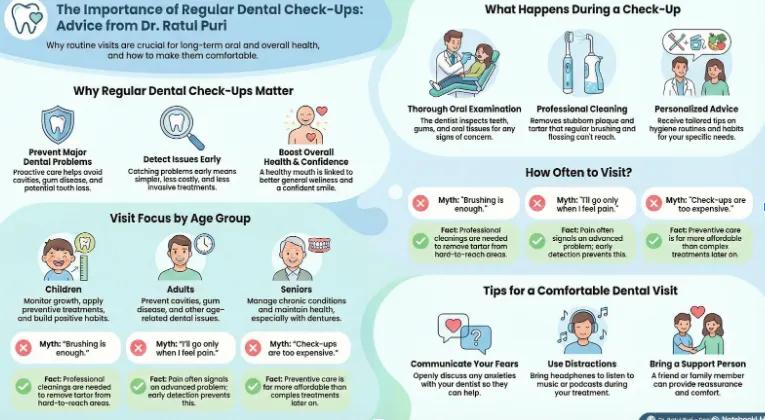
Myth 5: If your teeth don’t hurt, you don’t need a dentist
Fact: You should still visit a dentist regularly, even if you don’t feel any pain.
Many dental issues like gum disease and cavities develop silently and show symptoms only when they’ve progressed. According to Dr. Ratul Puri’s dental care advice, scheduling dental visits twice a year helps detect early signs of problems and prevents complicated treatments later. Early detection makes treatment easier, less costly, and far less painful.
Myth 6: Teeth Damage from Whitening
TRUE: Professional teeth whitening is safe when performed by a professional.
People tend to shy away from whitening out of fear for enamel damage. However, as per tips for healthy teeth by Doctor Ratul Puri, there’s no worry if you have done it under supervision and taking all the precautious within good oral hygiene. To avoid sensitivity, OTC products should be used sparingly and with the supervision of the directions
Myth 7: Baby Teeth Don't Require Maintenance
TRUTH: The health of the baby teeth dictate the future dental health and oral development.
Ignoring baby teeth can lead to misalignment and permanent dental problems. Dr Ratul Puri has a dental advice firmly focused on encouraging kids to learn how to clean their teeth well at an early age. Regular dental checks on children help ensure that permanent teeth will come in healthy.
Myth 8: Chewing gum is a substitute for brushing.
False: You can temporarily freshen your mouth by chewing sugar-free gum, but that doesn’t suffice for brushing and flossing.
Chewing sugarless gum can stimulate saliva flow, which neutralizes acids and helps to remove food debris and plaque. Dr. Ratul Puri on dentistry says, “Gum is meant for chewing and nothing more when it comes to your dental care.” According to Dr. Ratul Puri, the gum should be used in addition to brushing and flossing.
Myth 9: It's Always Best to Brush
Right After Eating The truth is that brushing right after acidic meals can harm enamel.Enamel momentarily softens after consuming citrus fruits or soft drinks. Erosion may result from immediate brushing. In order to protect your teeth, Dr. Ratul Puri's dental care advice recommends waiting at least half an hour and then rinsing with water.
Myth 10: We're All Doomed to Lose Our Teeth
When it comes to teeth and aging, tooth loss is something that the majority of us fear, although it's less common than you'd think.
Not true: With the proper care, you can retain most of your teeth well into old age.
Many people think that losing their teeth is a natural part of getting older. Dr. Ratul Puri’s lessons on healthy teeth stress that a balanced diet, proper preventive care, and regular dental visits can help you keep your natural teeth for life. Treating gum disease and cavities early may also reduce the risk of tooth loss.
Additional Dental Care Tips by Dr. Ratul Puri
According to Dr. Ratul Puri these are the following general oral health as well as myths dispelling (“FDI World Dental Federation).
Regular Checkups: Visit your dentist twice a year.
A diet high in calcium, vitamin D and phosphorous are essentials to keep teeth strong.
Hydration: To wash away bacteria and to keep the saliva flowing, drink plenty of water.
Quit Smoking: Tobacco usage makes you more susceptible to gum disease and oral cancer.
Use a mouthguard to protect your teeth when you play sports or grind at night.
Why Listening to Expert Advice Matters
It's important to rely on expert advice because there are a lot of dental myths that circulate among friends and online. Dr. Ratul Puri's dental advice offers clarity and keeps false information from harming your oral health. Your teeth and gums will remain healthy if you adhere to evidence-based practices, and treatments will only be required when absolutely necessary.
Conclusion: Separating Myths from Facts
While dental myths are common and you shouldn't believe the hype, failing to see through them can lead to unhealthy teeth. There is so much misinformation on professional care, flossing and brushing habits that patients might find it confusing. Professional advice must be followed to keep your smile in good condition.
Advice from Dr. Ratul Puri, advice dentist from Dr. Ratul Puri, and advice about dental care from Dr. Ratul Puri are all built upon the same idea; that preventive, steady and educated oral care is the best way to ensure a lifetime of healthy teeth.
You can best take care of your teeth and gums if you know the facts. "Your smile will stay healthy for the years to come with regular dental examinations, good brushing and flossing habits, eating a balanced diet, and consultation from professionals such as Dr. Ratul Puri."


Write a comment ...